

Cultural insights into gambling How traditions shape our bets
The Historical Context of Gambling
The practice of gambling dates back thousands of years and has roots in various cultures across the globe. In ancient civilizations, games of chance were often linked to rituals and believed to be influenced by divine forces. For instance, the Chinese used dice in games that not only provided entertainment but also served as a means of fortune-telling. Understanding these historical contexts allows us to appreciate how deeply embedded gambling is within human culture. Moreover, the economics of casinos is intertwined with these traditions, reflecting the beliefs and practices of each society. You might find it fascinating to explore the aviator aspect of this phenomenon.
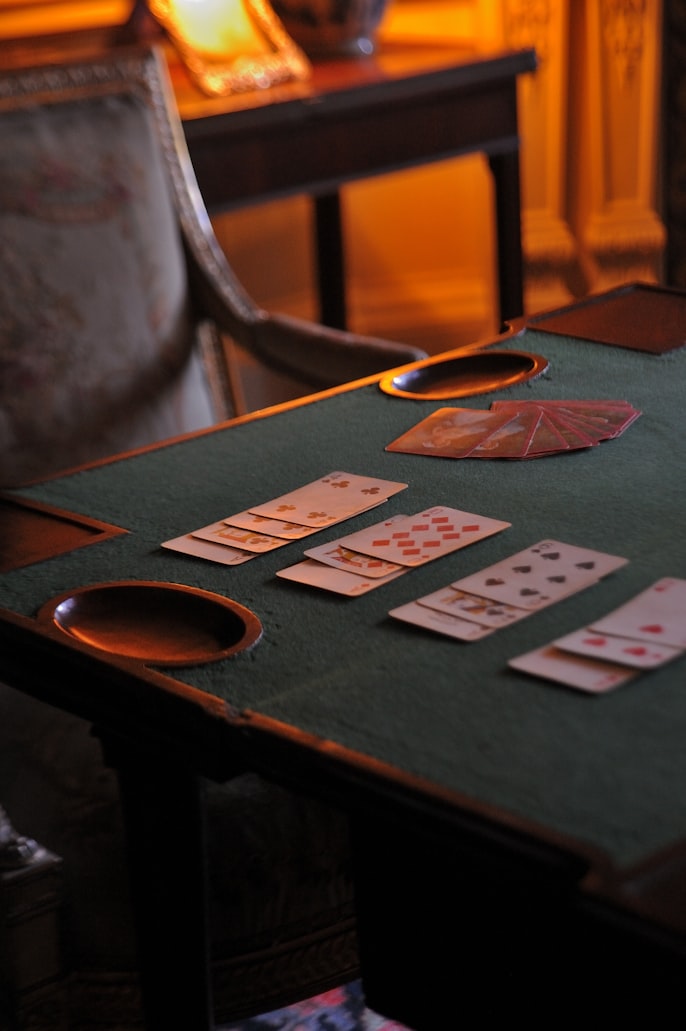
Moreover, the evolution of gambling practices reflects the societal values and norms of different eras. In medieval Europe, for example, gambling was seen as both a vice and a source of community entertainment, often intertwined with fairs and celebrations. As societies evolved, so did the perception and regulation of gambling, influencing how traditions are formed and sustained in modern times.
Cultural Variations in Gambling Practices
Across the globe, gambling practices vary significantly, shaped by cultural beliefs and social norms. In many Indigenous cultures, gambling is woven into traditional ceremonies and community gatherings, serving as a means to reinforce social bonds. This integration reflects a view of gambling not merely as a game of chance, but as a cultural expression and communal activity.
In contrast, Western societies often approach gambling through a more individualistic lens. In places like Las Vegas, gambling is commercialized and celebrated as a form of entertainment. This difference highlights how cultural attitudes towards risk and reward shape our approaches to gambling, influencing not just the games played, but also the overall experience.
The Role of Rituals and Superstitions
Rituals and superstitions play a significant role in the gambling landscape across cultures. Many gamblers adhere to specific customs before placing their bets, believing that these actions will influence their luck. In some Asian cultures, the color red is considered auspicious, leading players to favor red chips or clothing during games.
These rituals often serve a psychological purpose, providing comfort and a sense of control in an unpredictable environment. Additionally, such practices can enhance the social experience of gambling, as players share superstitions and engage in communal rituals, further reinforcing cultural connections and shared identities.
The Economic Impact of Gambling Traditions
Gambling is not only a cultural phenomenon but also a significant economic force in many regions. The establishment of casinos and gaming establishments often reflects local traditions and cultural identities, shaping their architecture, offerings, and marketing strategies. In tourist-heavy locations, casinos become cultural landmarks, drawing visitors not just for gaming but for the entire cultural experience.
Moreover, the economics of gambling can be heavily influenced by local customs. In regions where gambling is integrated into traditional celebrations, it can boost local economies by attracting visitors and encouraging spending. This interplay between cultural traditions and economic incentives illustrates how deeply interconnected culture and commerce can be in the realm of gambling.

Exploring Further on Our Website
For those interested in a deeper exploration of how cultural insights influence gambling practices, our website provides a wealth of information. We delve into various traditions and their impact on betting behavior across different societies, offering insights into how these practices evolve over time.
Additionally, our platform serves as a community hub for discussions surrounding gambling culture. Whether you’re a casual bettor or a cultural enthusiast, our resources aim to enrich your understanding of this fascinating intersection between culture and chance.
