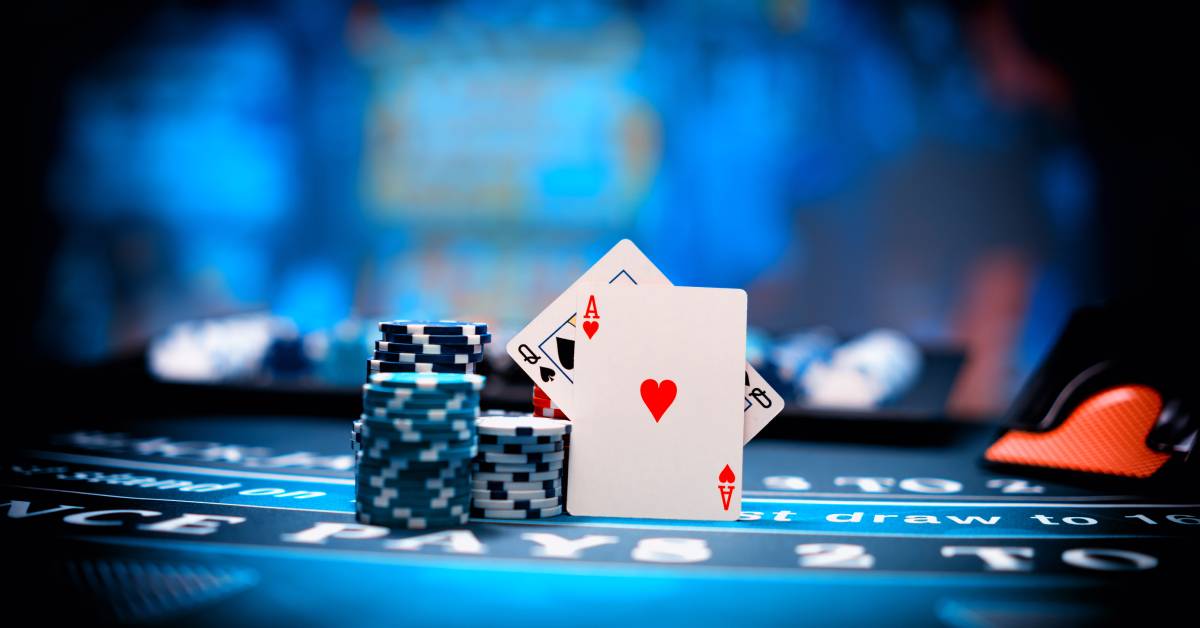
The allure of excitement in gambling
The psychology of risk-taking in casino gaming is intricately tied to the thrill and excitement that gambling inherently offers. Many players are drawn to the potential for big wins and the adrenaline rush associated with high-stakes games. This allure often overshadows the reality of the risks involved, leading individuals to engage in riskier behaviors than they might typically consider in other aspects of their lives. The excitement not only enhances the gaming experience but also plays a critical role in the decision-making process of gamblers. Engaging with kyc casinos can highlight how emotional factors and perceived control significantly impact risk behavior.
The role of cognitive biases
Cognitive biases significantly influence how gamblers perceive risk and reward. For instance, the illusion of control bias leads players to believe they can influence the outcome of games based on their skills or strategies, despite the fact that most casino games are based on chance. This false sense of control can increase a player’s willingness to take risks, as they feel empowered to change the odds in their favor.
Addiction to gambling can also be fueled by confirmation bias, where individuals seek out information that supports their beliefs about winning while ignoring evidence to the contrary. Gamblers may remember their wins vividly while downplaying their losses. This selective memory reinforces the belief that risk-taking is rewarding, perpetuating a cycle where players continue to gamble despite negative outcomes.